Securing Cleanliness Excellence in Grooming Establishments through Effective Cleaning of Tools
Wiki Article
Upkeeping strong benchmarks of sanitation in grooming establishments is vital for shielding both patrons and employees from possible infections. Barber shops are environments where pointed devices and styling instruments interact with epidermis, follicles, and sometimes minor cuts. This requires complete washing and sterilization a necessary procedure to prevent the spread of microbes, infectious agents, and molds. By applying consistent cleaning guidelines, stylists can create a healthier space, instill confidence in patrons, and follow with health requirements that control licensed salons.
Efficient sterilization of instruments begins with understanding the difference between scrubbing, disinfecting, and purifying. Washing removes obvious particles such as strands, skin particles, and product residue, while decontaminating lowers the amount of dangerous microorganisms to a safer standard. Complete disinfection goes further by eliminating nearly all kinds of pathogens, including dormant bacteria. Tools such as cutters, blades, combs, and hair cutters must receive proper procedures to confirm that all phase adheres to sanitation requirements. Using registered cleaning solutions and following the manufacturer’s guidelines confirms that tools are both safe to apply and long-lasting over time.
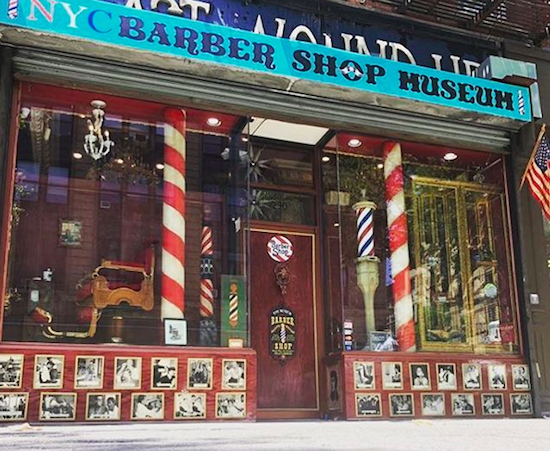
Barber shops must also consider the organized management and placement of disinfected instruments. Equipment that have been disinfected or cleaned should be maintained in a dry, dry area to prevent microbial growth. Separate holders, ultraviolet (UV) cabinets, or sealed sterilization pouches can maintain tools from airborne microbes. Additionally, stylists should adopt the process of marking cleaned equipment and rotating them frequently to ensure consistent cleaning protocols. the original source A organized approach to tool management not only strengthens security but also reflects expertise to clients.
Instructing employees on proper hygiene procedures is another vital element in upholding hygiene benchmarks. Barbers and assistants should receive instruction on safe hand hygiene, glove protocols, and the disinfection of frequently used areas such as seating, counters, and washbasins. Regular instruction sessions and checks support that cleaning routines remain consistent across the shop. Educating employees about the risks of microbial transfer and the necessity of following procedures builds a culture of safety and professionalism within the barber shop.
Ongoing inspection and upkeep of cleaning tools also support sanitation standards. Autoclaves, vibration cleaners, and cleaning agents must be tested for performance, and any faulty equipment should be serviced immediately. Using a written hygiene guide and keeping accurate documentation of cleaning schedules additionally enhances adherence with local sanitation laws. By combining effective instrument cleaning, structured management, read here workforce seasonal haircut trends instruction, and equipment maintenance, grooming establishments can maintain a clean, reliable setting that supports the health of each patron.